Skip to content

Session 14/2,110 burn hours logged/35 units/Ravenswood, Chicago

From the lab

Guides

Everything the burn logs taught us that did not fit into a review. No candle folklore, no wellness copy, just what the measurements support.

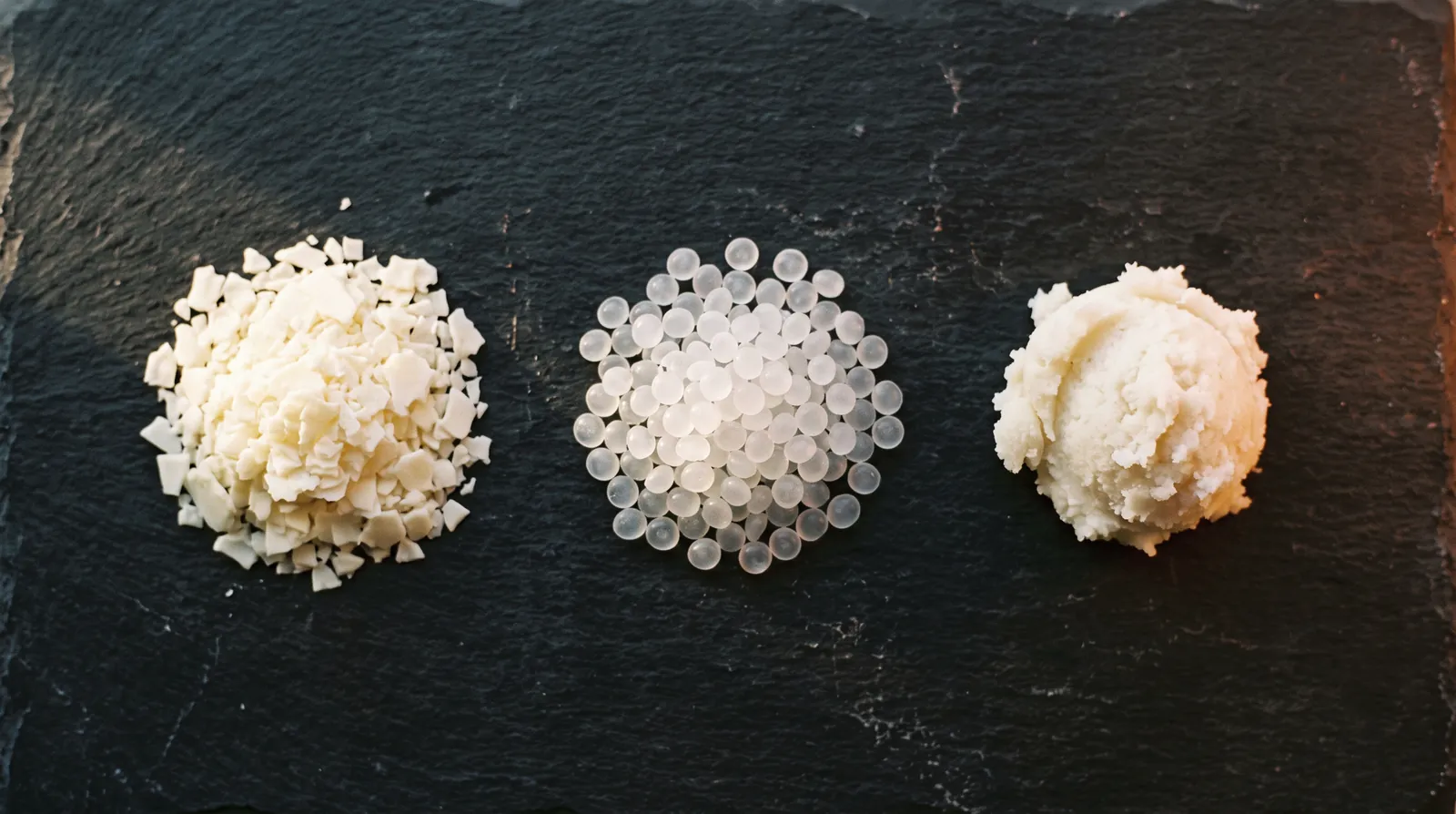
Soy wax flakes, translucent paraffin pellets and soft coconut wax in three piles on a slate slab
017 min read

Soy, paraffin or coconut wax: what the burn data actually shows

We burned 35 candles across three wax families and logged melt time, throw distance, soot and residue. Here is what each wax is genuinely good at.

TakeawayParaffin throws hardest, coconut blends give you most of that throw with far less soot, and pure soy is the cleanest burn but needs a well-built candle behind it to compete.

Updated
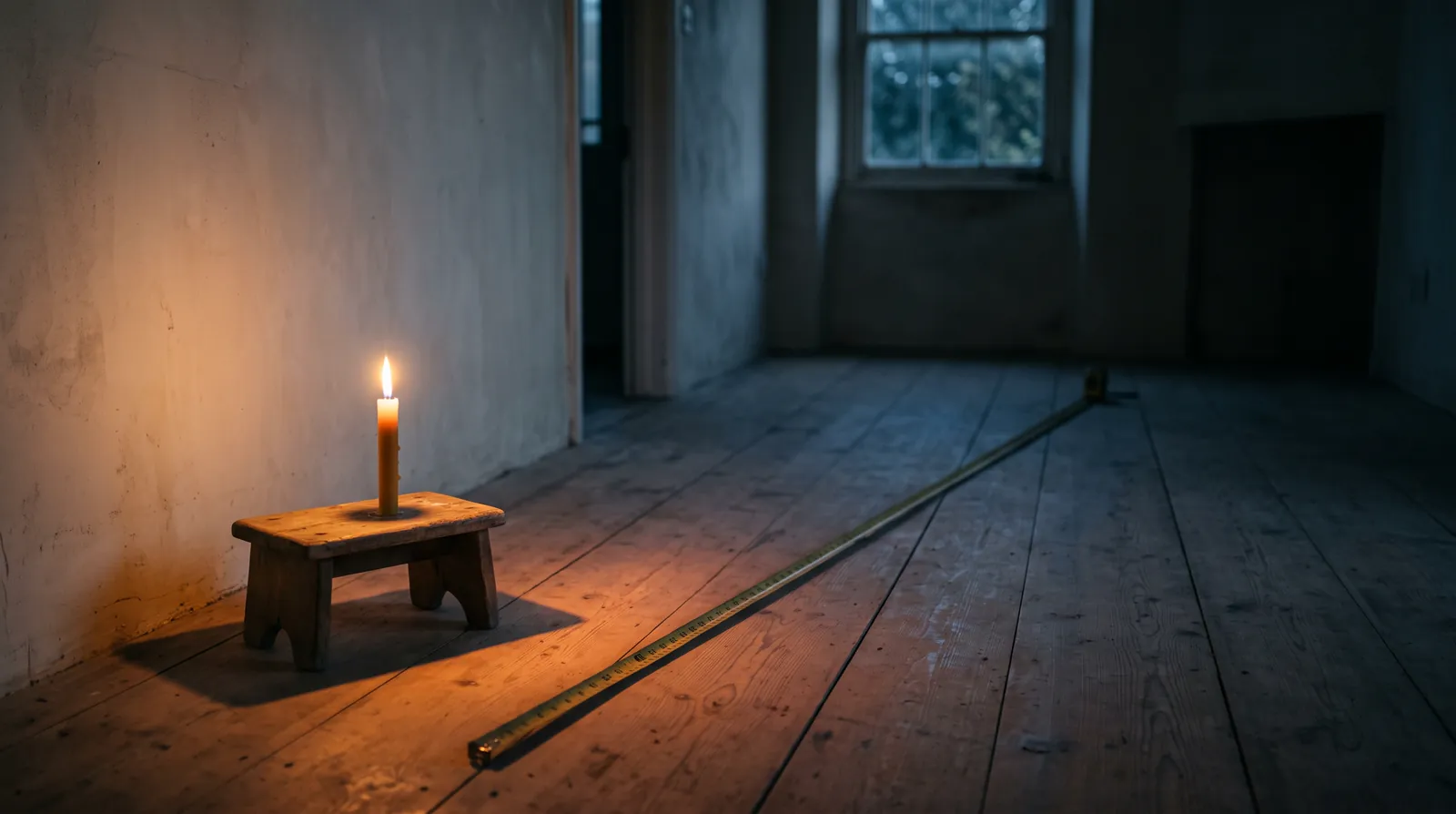
A lit candle on a low stool at one end of an empty room, with a measuring tape unspooled across the floorboards away from it
026 min read

Scent throw explained, and how we measure it

Cold throw, hot throw and the distance number nobody publishes. How scent actually moves through a room and how to buy for the space you have.

TakeawayCold throw sells the candle and hot throw is the one you live with. Buy for room volume, not for how strong the jar smells on the shelf.

Updated

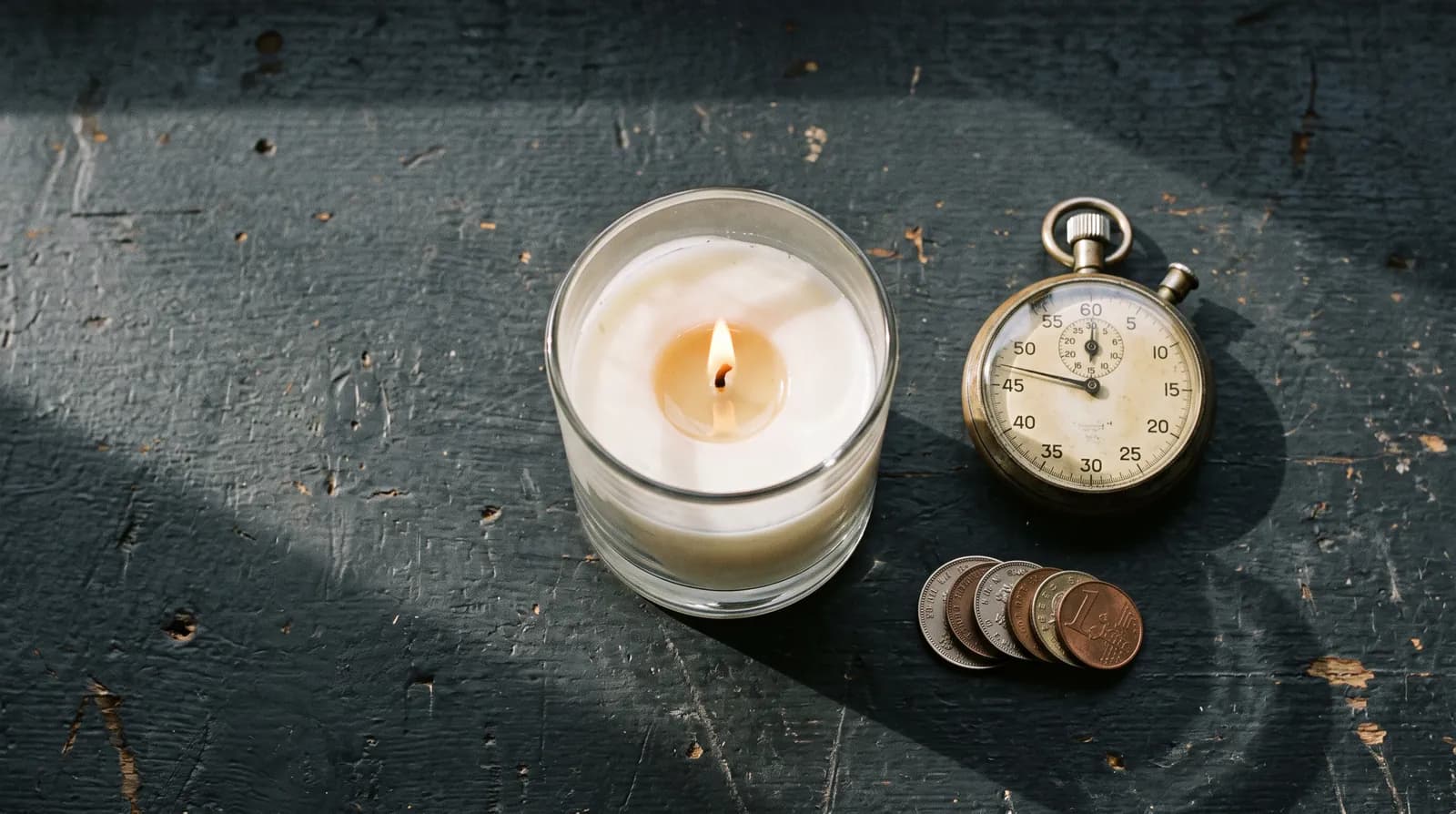
A burning candle beside a mechanical stopwatch and a small stack of coins on a dark workbench
035 min read

What a candle actually costs per hour

The sticker price tells you almost nothing. Here is how to work out the real cost of a candle, and where the ten brands in our index land.

TakeawayDivide price by rated burn hours. Anything under $0.60 an hour is cheap, $0.60 to $1.00 is the normal luxury band, and above $1.20 you are paying for the object.

Updated

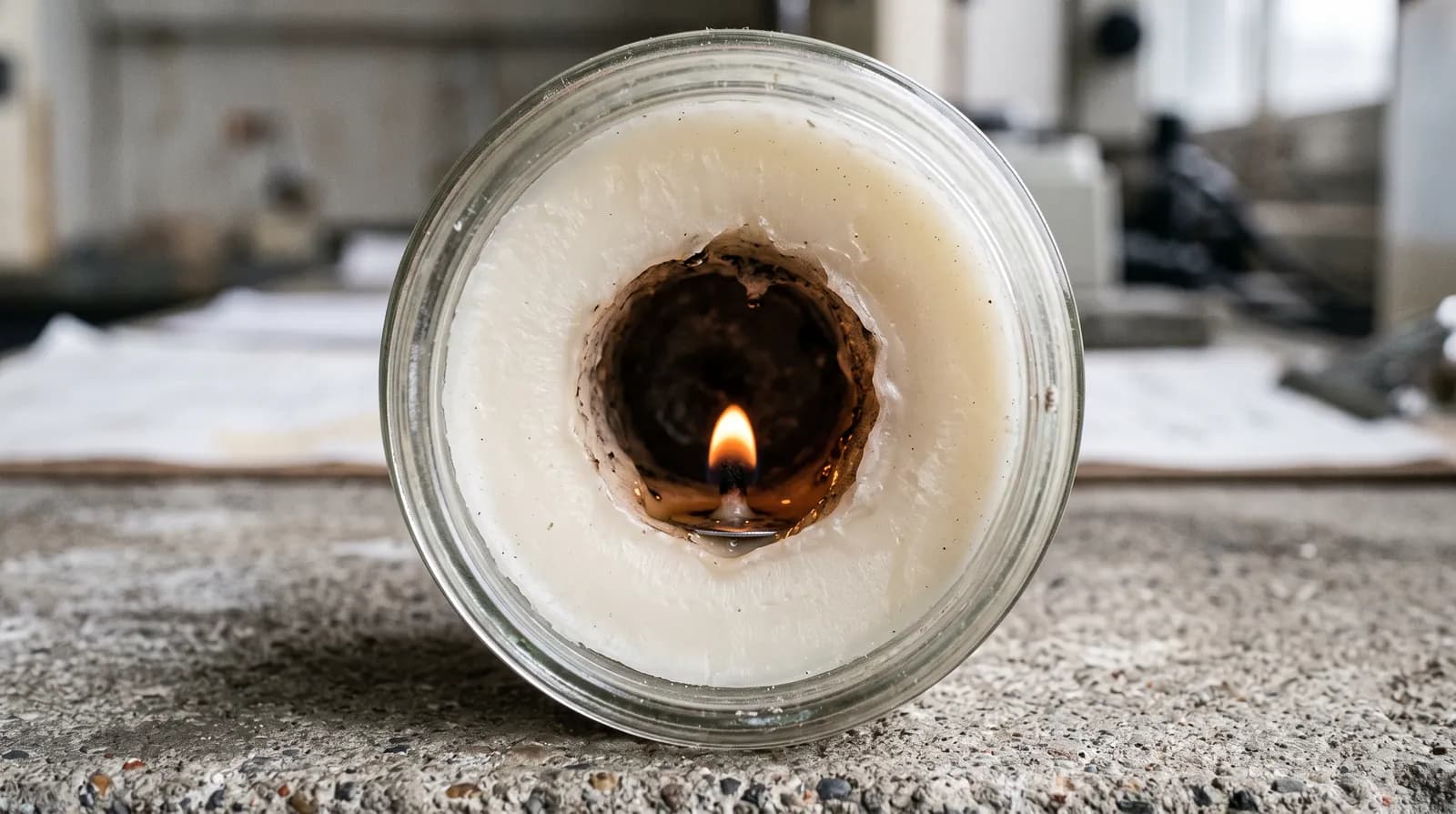
Overhead view of a tunneled candle, showing a deep hole burned around the wick and a thick wall of unburned wax against the glass
045 min read

How to stop a candle tunneling, and how to fix one that already has

Tunneling wastes up to a third of what you paid for. It is almost always caused on the first burn, and it is fixable.

TakeawayGive the first burn enough time for the melt pool to reach the edge of the vessel, roughly one hour per inch of diameter. That single habit prevents almost every tunneling problem we saw in testing.

Updated